
Bulk Party Favors: Forecasting Demand Without Waste
A simple demand-forecasting framework to size bulk party favors by guest count and distribution, with buffers, lead times, and theme-change backup plans.
Start with a “distribution plan,” not a guess
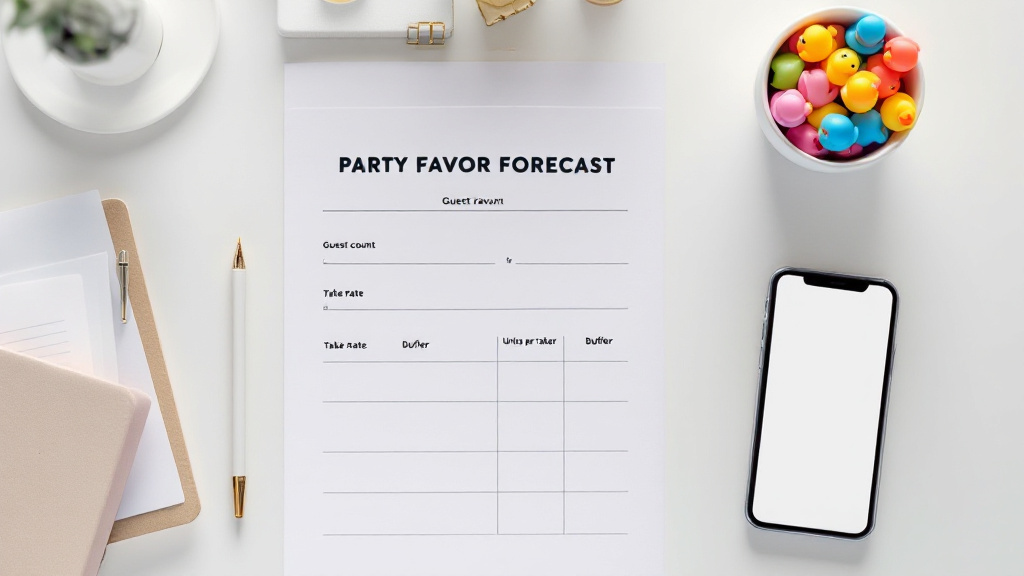
Overbuying party favors wastes money and storage; underbuying creates last-minute stress and shipping risks. The most reliable demand-forecasting starts by deciding how favors will be handed out, then backing into quantities. In event-planning, a favor can be (1) one-per-guest, (2) one-per-family, (3) prize-based (only some guests receive one), or (4) grab-bowl (guests take what they want). Each method changes the math more than the theme does.
Use this baseline formula: Needed = Guest count × Take rate × Units per taker. Typical take rates: toddlers (0.9–1.1), kids (0.8–1.0), teens (0.6–0.9), adults (0.4–0.8), mixed events (0.7–0.9). If you’re doing a “goodie bag per seat,” set take rate to 1.0.
For bulk-ordering small items like rubber ducks, also choose size and packaging early (mini vs. standard, individual vs. bowl). Clear distribution rules simplify fulfillment, reduce leftover inventory, and make it easier to compare bulk price tiers confidently.
Add a simple buffer—and align it with lead times
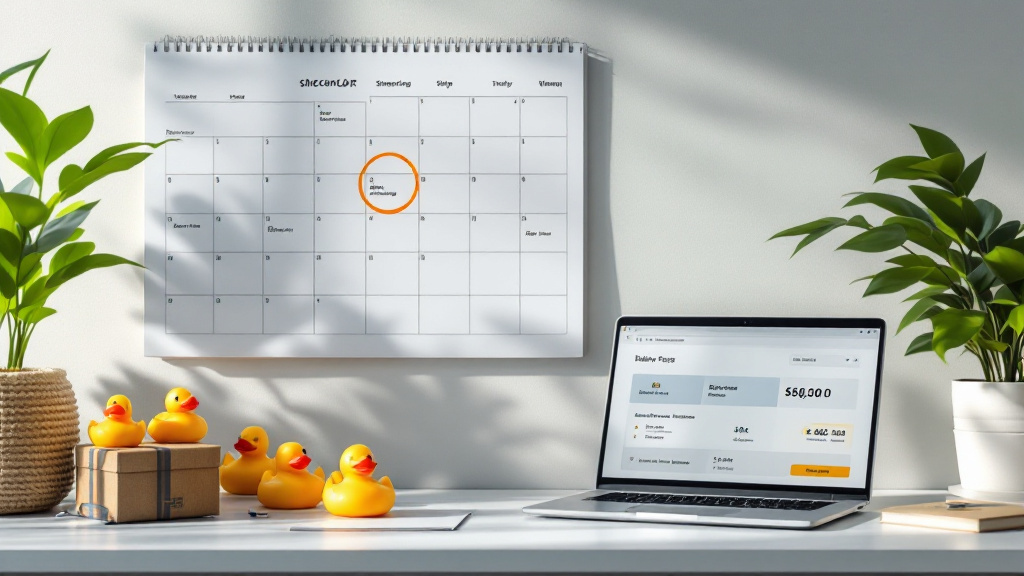
Once you have a baseline, add a buffer that reflects uncertainty instead of padding randomly. A practical rule: 5% buffer for tightly controlled distribution (pre-filled bags, assigned seats), 10% buffer for grab-bowls or open tables, and 15% for large groups of kids where extras become instant trade currency. Cap it with common sense: if you need 40, add 4–6; if you need 400, add 20–40.
Next, match your buffer to lead-time considerations. In ecommerce fulfillment, delays usually come from picking/packing, carrier transit, and address corrections—not the product itself. If your event is under two weeks away, treat the buffer as “schedule insurance”: order earlier or choose faster shipping rather than relying on day-of substitutions.
For vendors that support bulk tiers, look for three things at checkout: (1) transparent quantity pricing, (2) delivery estimates by shipping method, and (3) automated tracking emails. This is where category shops like DuckyScope Market can reduce uncertainty—predictable timelines make demand-forecasting actionable, not theoretical.
Plan assortments that survive last-minute theme changes
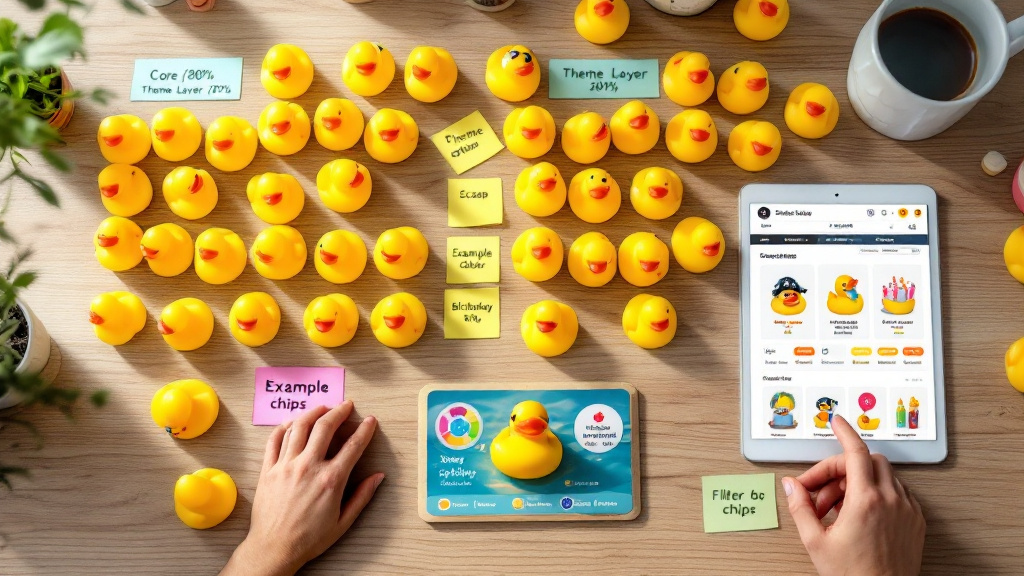
Themes change—especially for birthdays and school events—so build an assortment plan that can flex without creating waste. Start with a core set (70–80%) that fits the broader occasion (birthday, classroom, summer pool party), then add a theme layer (20–30%) for the specific obsession of the moment (pirates, unicorns, superheroes). If the theme flips late, you only replace the layer, not the entire order.
Use category filters (theme, color, size, occasion) to keep substitutions consistent. For example, if “pirate” becomes “ocean,” you can swap a themed layer to nautical designs while keeping the same mini size and packaging. This keeps your party-favors cohesive and protects your budget.
Finally, document a quick substitution rule before you order: “If Theme A is unavailable, replace with Theme B + matching colors.” That reduces decision fatigue during event-planning and avoids rush shipping. With strong search, clear bulk packs, and reliable inventory visibility, you can forecast demand, order in bulk, and still stay adaptable.